Education
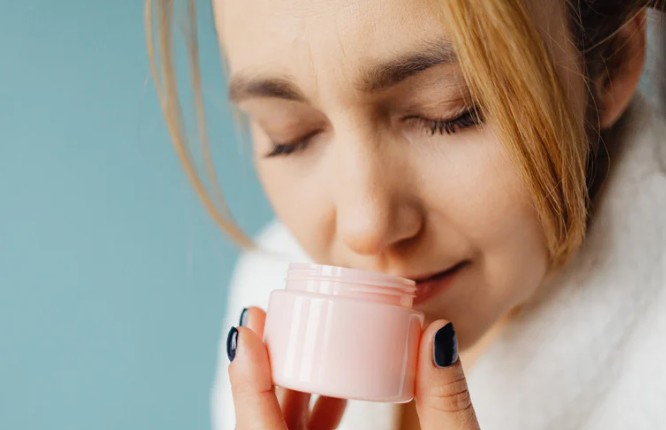
Smell training is a simple, evidence-based way to help your brain relearn and strengthen its sense of smell. It’s often recommended after infections (including COVID-19), head injuries, or other conditions that affect smell. By regularly practising with specific scents such as lemon, rose, clove, and eucalyptus, your brain can rebuild the pathways that recognise smells, much like physiotherapy helps muscles recover.
To start, gently sniff each scent for about 30 seconds twice daily (2 minutes total, twice per day), focusing on what it used to smell like, even if you can’t detect it yet. With patience and consistency over several months, many people notice gradual improvement. Smell training kits or pure essential oils can be purchased online or from pharmacies.
Nasal rinsing helps clear mucus, allergens, and irritants from your nose and sinuses, reducing congestion and improving breathing. It’s especially useful for people with sinusitis, allergies, or post-surgery recovery.
Use a saline rinse bottle or neti pot with a sterile or pre-mixed saline solution (never plain tap water). Lean over a sink, tilt your head slightly, and gently squeeze or pour the solution into one nostril so it flows out of the other. Repeat on the opposite side, then gently blow your nose.
Daily or twice-daily rinsing keeps your nasal passages clean and enhances the effect of nasal sprays.
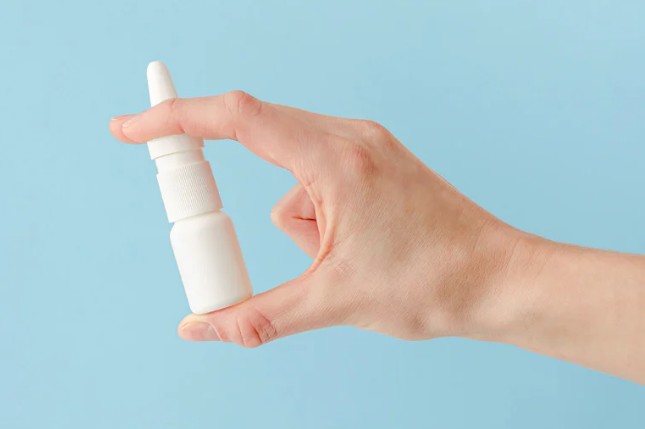
Nasal sprays deliver medicine directly where it’s needed in your nose. For the best results:
Use your spray exactly as prescribed – usually once or twice daily – and combine it with saline rinsing if recommended. Always use the rinse before, not after, your medicated spray.